KN professors among UIC’s 2025-2026 Distinguished Researchers
Introduction
Each year, the UIC Office of the Vice Chancellor for Research awards outstanding representatives of the UIC community whose drive to solve problems and expand knowledge creates local and global impact.
Those who have made significant contributions to science, education or our understanding of history are recognized as Distinguished Researchers, including AHS’ own Timothy Koh in the basic life sciences category and Robert Motl in the clinical sciences category. The 2025-2026 Distinguished Researchers, along with early-career researchers named Rising Stars, were celebrated at a ceremony at the Field Museum of Natural History on April 22.
Timothy Koh
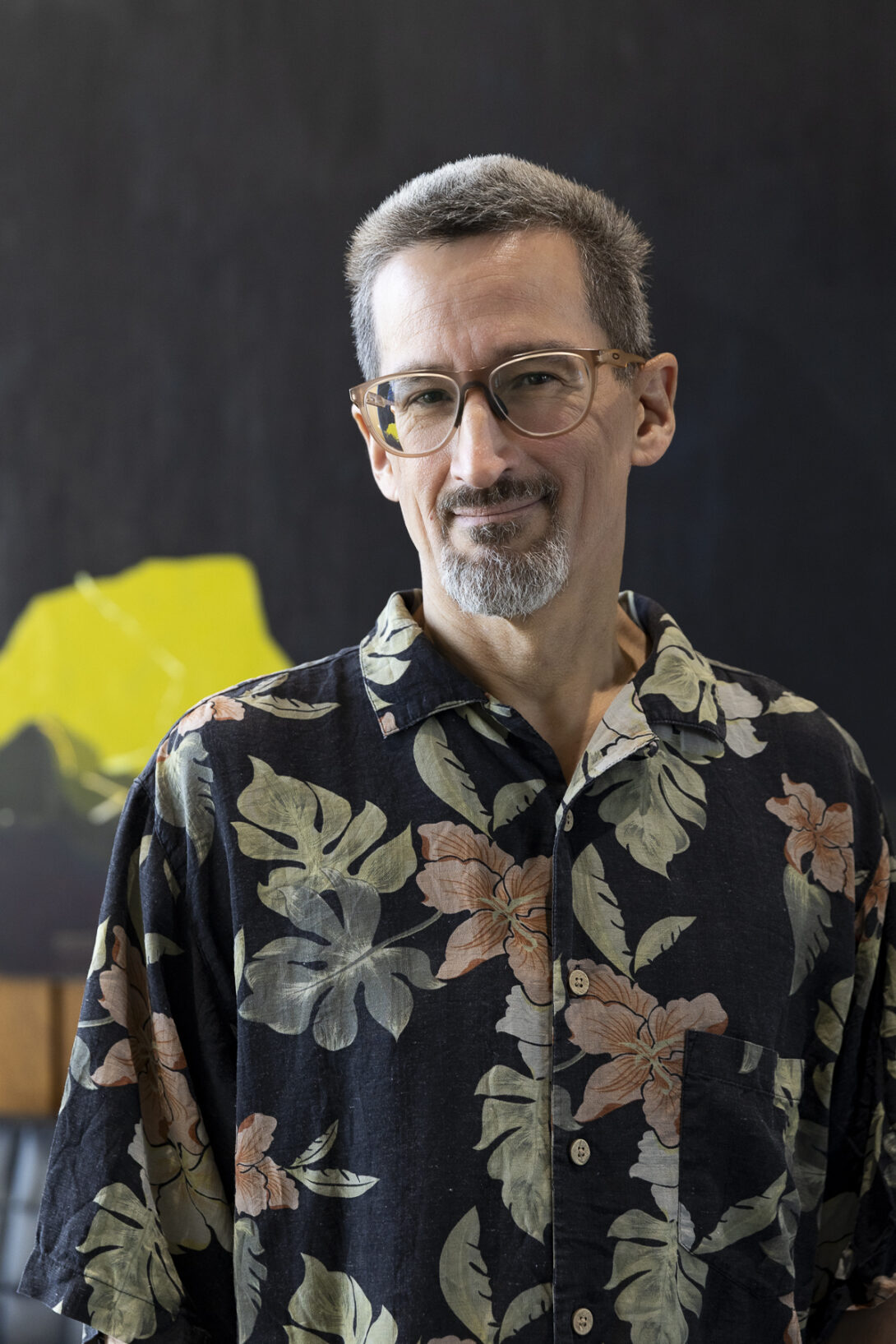
Kinesiology and Nutrition professor Timothy Koh’s research focuses on wound healing in people with diabetes, a process that can be hampered by damaged blood vessels, impaired immune cells and poor circulation. Diabetes remains a major unsolved problem in the field of tissue repair, and chronic wounds — experienced by up to 25% of people with diabetes, according to Koh — can have devastating effects.
“We’re trying to identify potential pathways that we can target that would improve healing and prevent downstream events like amputation and death,” Koh said.
They do this by studying inflammation and macrophages, a type of immune cell that can take on many functions. In one study, Koh and colleagues eliminated macrophages from a wound and found that it couldn’t heal without them. In diabetes, macrophage function is disrupted, contributing to poor repair.
“We need inflammation not just to prevent infection, but to get healing to occur,” Koh said.
After arriving at UIC in 2001, Koh studied muscle injury. An avid runner, he pursued a master’s degree in sports biomechanics and a PhD in muscle mechanics.
He turned his attention to tissue injury thanks to colleague Dr. Luisa DiPietro, professor of periodontics and director of the UIC Center for Wound Healing and Tissue Regeneration. “She’s been a collaborator and has been instrumental in gathering wound-healing researchers at UIC and in Chicago,” Koh said.
Koh’s research has been funded by the National Institutes of Health, the Department of Defense and the Department of Veterans Affairs. Currently on sabbatical, Koh has been developing a new KN course that prompts students to dive deeper into trending health topics.
In addition to DiPietro, Koh credits Dr. William Ennis as a valued partner in his research. Ennis, chief of wound healing and tissue repair at UI Health, has helped Koh integrate patient experiences into his research.
“I’m able to see what these wounds really look like, and see the concerns of the patients,” Koh said. “We tend to be focused on what’s happening in the wound, but it’s attached to a person.”
Robert Motl
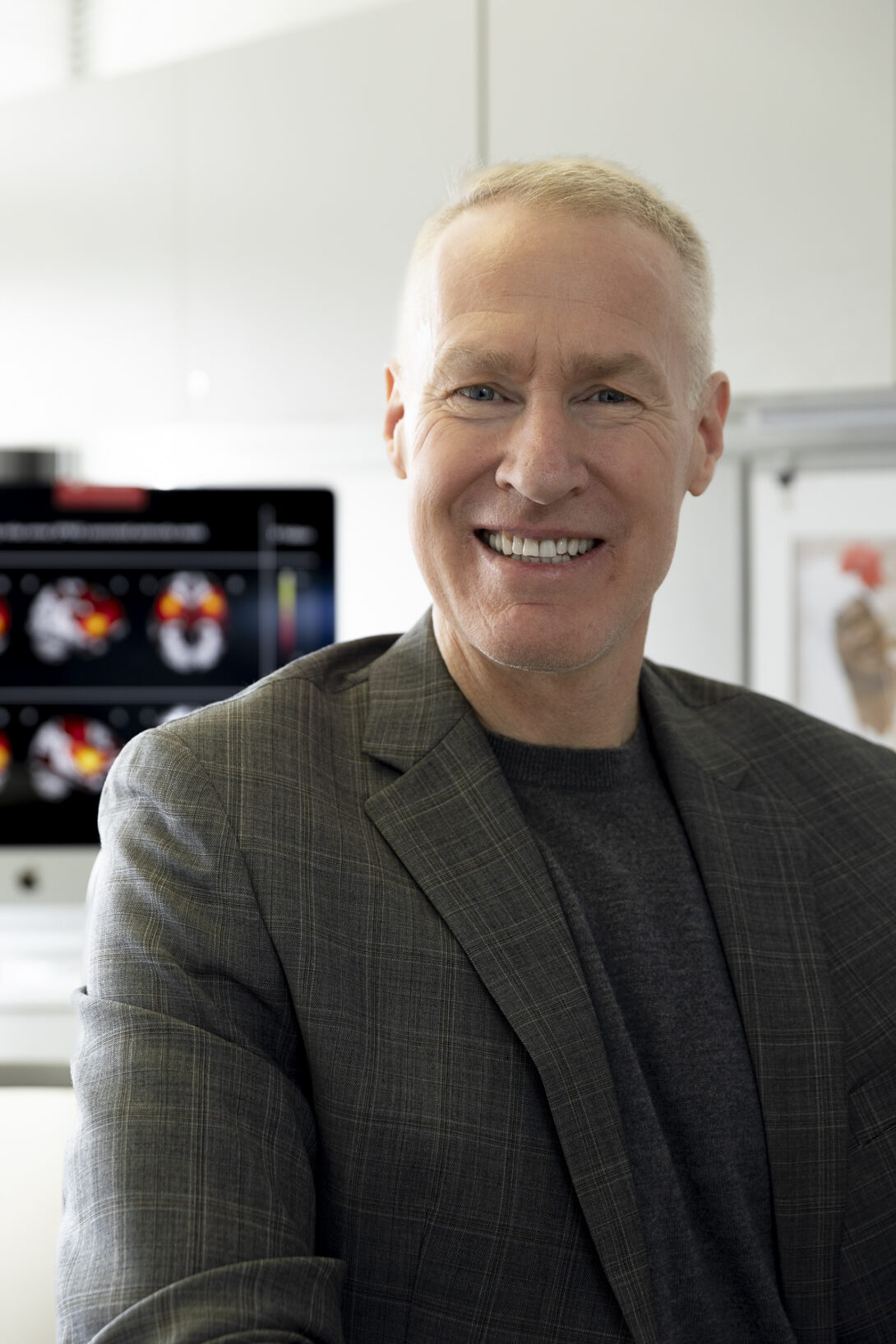
Robert Motl, KN professor, has been investigating a single research question for 23 years: Can walking and strength training change health outcomes for people with neurological conditions?
His research focuses on exercise training programs to improve the quality of life for people with conditions such as multiple sclerosis and Parkinson’s disease.
“We want to study how exercise can help people manage symptoms that are consequences of the disease, like fatigue and depression,” said Motl. “We also want to understand how exercise can restore physical and cognitive function and how that translates into improved quality of life.”
Motl and his team are exploring the benefits of a home-based exercise program. So far, they’ve demonstrated it can slow brain atrophy in people with MS. Exercise helps refine brain connections and supports the central nervous system, he said.
“We’ve been able to show that this home-based program can improve cognition as well as walking,” said Motl, director of the Integrative Physiology Lab and the Exercise Neuroscience Research Lab. “We can improve both physical and mental health–related quality of life.”
A professional cyclist in his 20s, Motl now spends his free time climbing mountains and doing yoga. While he never intended to build a career around exercise, he called his journey serendipitous.
“I had an idea, and it got funded. And once it was funded, I started taking a deep dive into exercise and neurological diseases and multiple sclerosis. There was just so much opportunity to do really novel, innovative and impactful research. And I was like a kid in a candy shop,” Motl said.
“We took this in so many different directions that I never imagined but that were so beneficial for people with multiple sclerosis and other diseases.”
Motl hopes to study the effect of the exercise program in other contexts — for long COVID patients, for people with chronic kidney disease or for cancer prevention. He also plans to create an Exercise is Medicine center at UIC that would integrate research and clinical programs to deliver exercise prescriptions.
“All of my colleagues in kinesiology and nutrition have been ultimately extremely supportive and encouraging and wanting to engage in collaboration,” he said, “and that’s been the root base of all my success at UIC.”