BVIS professor illustrates New York Times bestseller for “Survivor” star
Introduction
For BVIS clinical assistant professor Sam Bond, illustrating Rob Cesternin’s New York Times bestselling “Survivor” book, “The Tribe and I Have Spoken,” brought her personal and professional expertise into perfect harmony.
“I actually started watching ‘Survivor’ while I was a graduate student at UIC, over a decade ago,” said Bond. “I really fell in love with the show again during COVID, which was also a period when I was struggling creatively. I needed something outside of medical illustration and academia that would help me reconnect with the reasons I loved making art.”
While teaching a demanding courseload and navigating the pandemic, Bond started an anonymous social media account to share illustrations inspired by the show and other reality television.
“It was never intended to be a professional endeavor; I just wanted to draw things that made me happy and connect with other people who loved these shows.”
Eventually, her weekly illustrations garnered attention online. Show contestants began sharing her work, and ultimately Rob Cesternino and his team decided Bond would be the perfect collaborator for their book.
Though work in biomedical visualization is often highly specialized, the skills Bond has developed as an illustrator and professor were vital to completing this large-scale commercial project.
Sam quote
Being a successful illustrator involves much more than being able to draw well. You need to understand your subject, identify what matters most to your audience, manage the logistics of a complicated project and communicate effectively with the people you’re collaborating with.
Body text cont
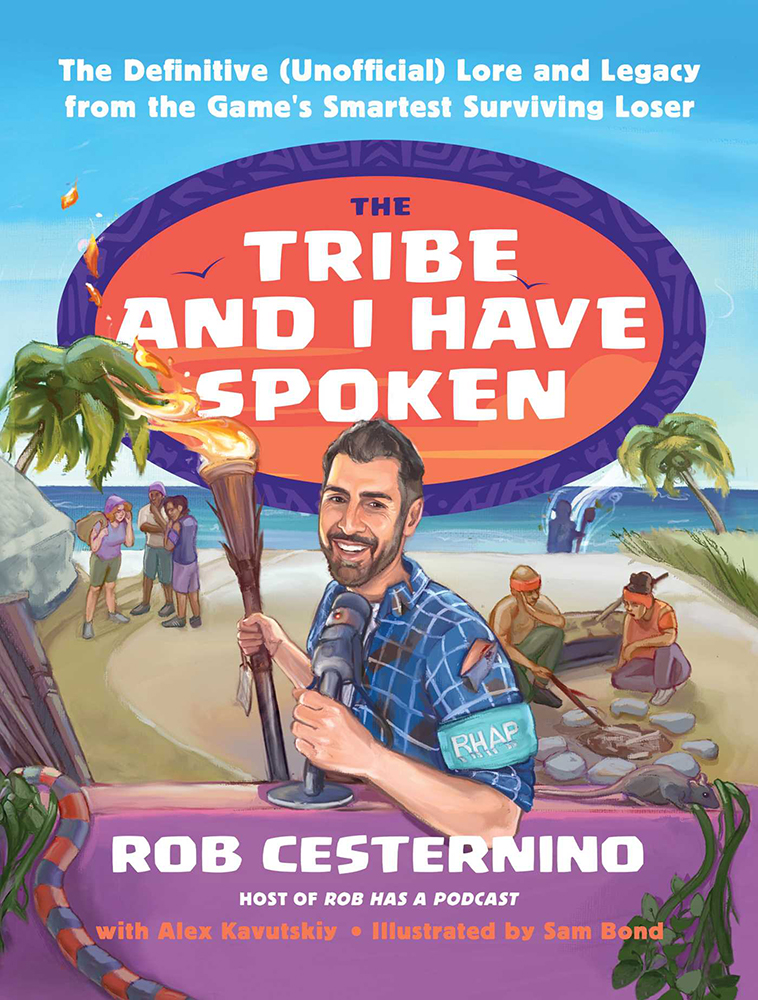
“For this book, I had to realize that ‘Survivor’ fans are the subject-matter experts. I needed to understand not just what happened in a particular season or episode, but why it mattered to the people who watched it. It was also important that the illustrations be original interpretations rather than recreations of imagery owned by CBS, so I had to distill these moments into visual stories that captured memories in the larger history of the show, while creating a cohesive artistic style.”
As the intensive production phase of the project began, Bond found the process was strikingly similar to her existing workflows as a medical illustrator. Cesternino and his coauthor Alex Kavutskiy would share ideas about a particular moment on the show and Bond would rough out sketches. Once the team agreed on a direction, Bond would develop color drafts for another round of feedback before creating a final rendering. The cycle was repeated across more than 70 illustrations throughout the book, including the cover. And throughout the project, the support of the AHS community kept her on track.
“Leah Lebowicz, our BVIS program director, was incredibly supportive and enthusiastic about the project from the very beginning, and our BHIS department head, Kal Pasupathy, was equally delighted to hear about the outcomes of the book. I’m fortunate to work with colleagues who recognize that creative growth and professional development can take many forms, including opportunities that fall outside the traditional boundaries of biomedical visualization.”
The project also illustrated for Bond something she emphasizes for her students: your professional or academic specialty is not a prescription for your career.
“Biomedical visualization is an incredibly specialized field,” Bond said, “but the skills we develop are surprisingly versatile — a part of what makes our students so strong. I spend a lot of time teaching students how to approach unfamiliar subject matter, collaborate with content experts and translate complex information into visuals that are both accurate and engaging. Those same principles apply whether you’re creating an interactive surgical simulation, an educational game or an illustrated book about ‘Survivor.’”
Bond also encourages her students to make time for art that doesn’t obviously connect to their career path.
“I wanted to enjoy drawing again, without worrying about whether the work belonged in my portfolio or served some larger career goal,” Bond said. “Taking the pressure off is what helped me rediscover my own artistic voice and led to this opportunity of a lifetime. Sometimes the projects you pursue simply because you love them are the ones that open the most unexpected doors.”