Honoring our legacy
The evolution of the UIC Department of Occupational Therapy
Rooted in Chicago and shaped by innovation, the UIC Department of Occupational Therapy has advanced education, research and practice for more than 80 years.
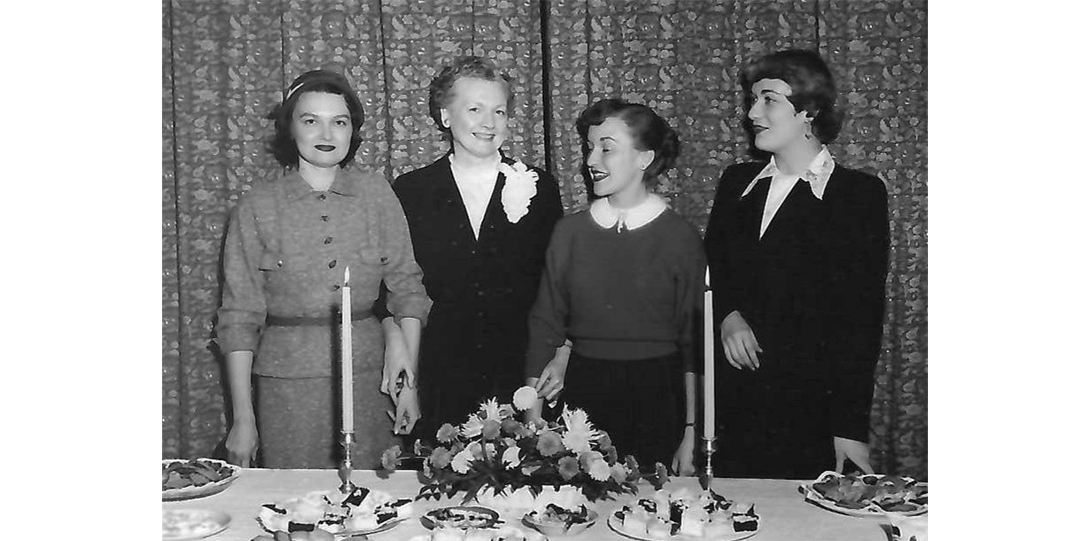
The profession began taking shape at Hull-House in Chicago in 1915, where the therapeutic value of meaningful occupation was first recognized. Building on this foundation, a group of University of Illinois physicians and local occupational therapists identified the need for formal education and training. In 1943, Beatrice D. Wade was appointed to lead the development of the first occupational therapy program in Illinois—then one of only about 10 in the nation.
This tradition of innovation continues at the University of Illinois Chicago. Faculty bring active clinical and community-based experience into the classroom, ensuring that education remains grounded in real-world practice. This integrated approach reflects a longstanding commitment to connecting theory, research, practice and community engagement, and remains central to the department’s curriculum philosophy and its Scholarship of Practice model.
A legacy of leadership and impact
Since its founding in 1943, the department has been shaped by visionary leaders whose contributions have influenced both the program’s growth and the broader field of occupational therapy.
Today, the UIC Department of Occupational Therapy is recognized for:
- Strong, nationally ranked degree programs
- Influential scholarship guided by the Scholarship of Practice Model
- The MOHO-IRM Clearinghouse
- Leadership in disability studies
- Commitment to community-based participatory research and practice
- Emphasis on social justice and serving the local community
- Initiation of an annual national Occupational Therapy Summit of Scholars, in collaboration with three other top OT programs
As part of a leading urban research university, the department continues to advance innovation, equity and excellence in occupational therapy education and practice.