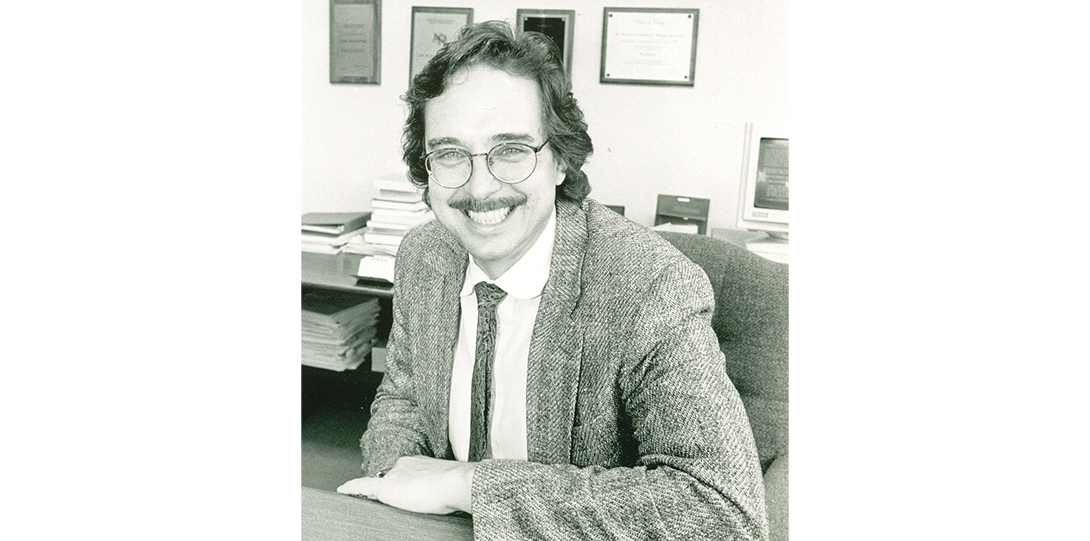
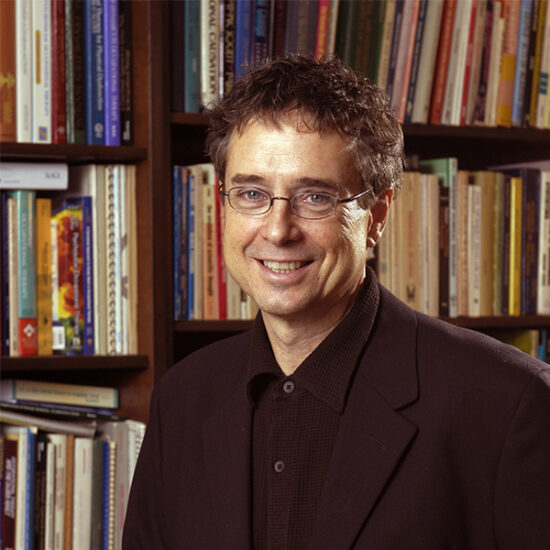
Gary W. Kielhofner
Department Head, 1986–2006
A visionary scholar and leader, Gary Kielhofner transformed occupational therapy education and practice worldwide through the development of the Model of Human Occupation (MOHO) and his commitment to evidence-based, occupation-centered care.
My real passion is to provide practitioners with increasingly useful means for doing occupation-focused practice.
Early life and education
Early life and education
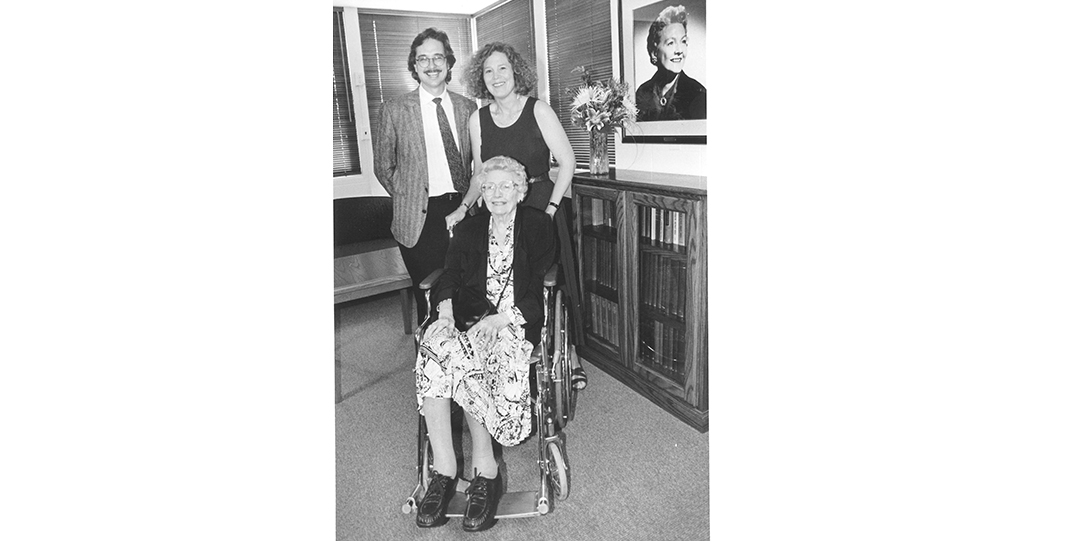
Gary Wayne Kielhofner was born in 1949 in rural Missouri. He spent seven years in seminary training to become a Vincentian Catholic priest and missionary before pursuing psychology at St. Louis University, where he earned his undergraduate degree in 1971. During the Vietnam War, he served as a conscientious objector, completing alternative service as an aide in a hospital-based occupational therapy department. This experience, along with witnessing his grandmother’s recovery after a leg amputation, inspired him to enter the field of occupational therapy.
Kielhofner earned a master’s degree from the University of Southern California in 1975, where he was mentored by Mary Reilly, whose work on occupational behavior addressed theoretical gaps he had identified in the profession. He went on to earn a doctor of public health degree from UCLA in 1980. Before joining the University of Illinois Chicago, he held faculty positions at USC, Virginia Commonwealth University, and Boston University. In 1980, he co-published the seminal series introducing the Model of Human Occupation with colleagues Janice Burke and Cynthia Heard Igi.
Leadership at UIC
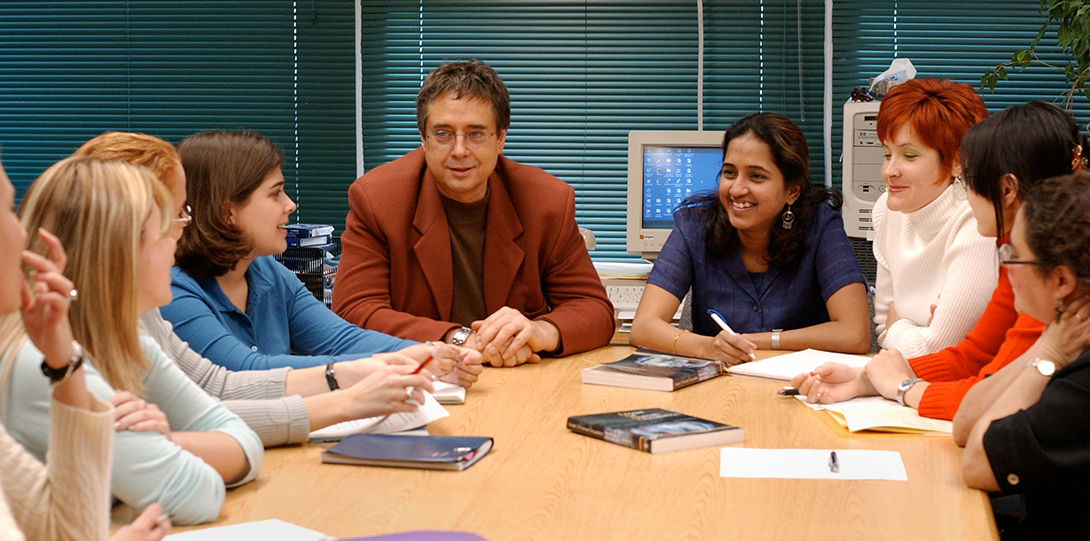
Kielhofner served as department head from 1986 to 2006, a period of substantial growth and innovation. Initially hesitant to take on the administrative role, he was drawn to UIC’s distinctive “Illinois Plan,” which integrated academic education with clinical service and allowed him to also serve as chief of clinical services. He successfully guided the UIC OT department through a period of significant growth, helping position it as a research-intensive program.
During his tenure, he oversaw:
- The creation of the first PhD program in disability studies in the United States
- Development of a new entry-level master’s degree and a post-professional clinical doctor of occupational therapy program
- A comprehensive curriculum revision emphasizing theory-driven, occupation-centered practice
- Fifteen research and training grant projects funded by federal government agencies, AOTF and AOTA, totaling over 6.5 million dollars
- A collaborative process with the UIC OT faculty to develop and advance a “scholarship of practice” linking theory, research, and clinical application
- Expansion of the department’s international reputation as a center for occupational therapy scholarship, research, and clinical excellence
Under his guidance, UIC consistently ranked among the top five occupational therapy degree programs in the nation.
Contributions to the profession
Kielhofner’s influence on occupational therapy is profound and enduring. His contributions include:
- Publishing a seminal 1988 paper with Janice Burke on the evolution of knowledge in the field which became a foundation for his widely-used textbooks
- Developing and refining the Model of Human Occupation, one of the most widely used conceptual practice models in the field worldwide
- Publishing 19 books, 26 book chapters, and more than 160 peer-reviewed articles; his primary textbooks have sold over 110,000 copies and been translated into multiple languages
- Co-authoring and validating 15 clinical assessment tools and establishing the MOHO Clearinghouse to disseminate resources internationally
- Leading the the AOTA/AOTF Center for Outcomes Research and Education at UIC, mentoring emerging scholars and advancing psychometric research in occupational therapy
His work laid the foundation for evidence-based, occupation-focused clinical practice and research worldwide.
Scholarship and legacy
Gary Kielhofner’s legacy is defined by his transformative scholarship and mentorship. The Model of Human Occupation focuses on how a person’s motivation, values, interests, and self-efficacy influence their roles and habits, in the context of their environment. For thirty years, Kielhofner led validation studies of the model, incorporated new concepts, and developed “practical tools” to support practitioners in assessment and outcome measurement.
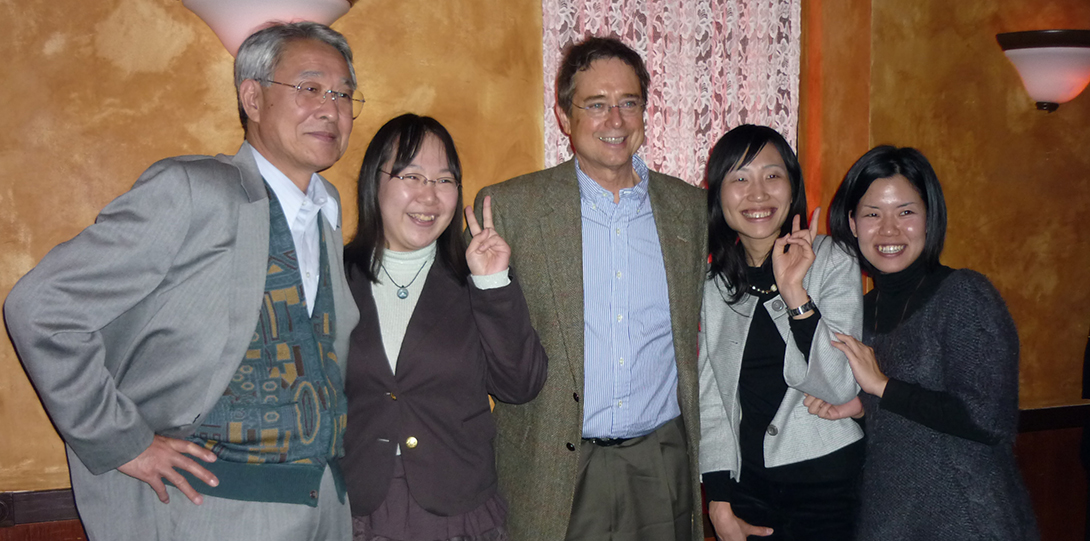
The scholarship of practice model continues to provide a theoretical and practical foundation for occupational therapy programs and clinical practice. Kielhofner forged strong collaborations with OT scholars from across the globe, notably in Sweden, Chile, Japan, and the United Kingdom. The department continues to build on this model of international collaboration.
Kielhofner is recognized for his combination of intellect, energy, and commitment and for his dedication to mentoring students, faculty and colleagues. Following his death in 2010, his wife, Dr. Renée Taylor, and colleagues continue to advance his vision of client-centered, occupation-focused practice. He was posthumously awarded the AOTA Award of Merit in 2010 and was named one of the 100 influential people in the first century of the occupational therapy profession in 2017.
Leadership and accomplishments
National and International Impact
- Presented a pivotal keynote address at the 2022 World Occupational Therapy Congress in Sweden, “Challenges and Directions for the Future of Occupational Therapy”.
- Between 2000 and 2010, provided 64 invited presentations across 14 countries in Europe, North America, and Asia
- Supported translation of the MOHO assessments into 24 languages, available on the MOHO-IRM Clearinghouse website
- Guest editor of a 2005 special edition of the American Journal of Occupational Therapy focused on disability studies and its implications for occupational therapy
- International faculty appointments:
- Guest Professor, Linkoping University, Norkoping, Sweden, 2010
- Adjunct Professor, Laval University, Québec City, Québec, 2003-06
- Visiting Professor, London South Bank University, 2000-06
- Visiting Professor, School of Occupational Therapy, University of London, 2000-03
- Foreign Adjunct Professor, Karolinska Institute, Stockholm, Sweden, 1994-2005
Research and publications
- Lead author of four seminal AJOT papers in 1980, introducing the Model of Human Occupation (MOHO)
- Published four editions of his MOHO and Conceptual Foundations textbooks between 1985 and 2009, translated into multiple languages
- Co-authored and validated 15 clinical assessment tools and founded the MOHO Web Clearinghouse
- Led the UIC Center for Outcomes Research and Education (CORE) funded by AOTA and AOTF
- Implemented 15 grants that focused on preparing OTs to work in specialized settings and employment options for people with AIDS
Professional and Public Service
Served on numerous advisory and editorial boards, including the American and British Journals of Occupational Therapy, Occupational Therapy Journal of Research, Scandinavian Journal of Caring Sciences, Psychiatric Rehabilitation, Occupational Therapy in Mental Health, and the Journal of Allied Health
Honors and Awards
- Named one of the 100 influential people in occupational therapy by AOTA, 2017
- Gary Kielhofner Emerging Leader Award, established by AOTA, 2011
- AOTA Award of Merit (posthumous), 2010
- Dr. Gary Kielhofner Doctoral Research Scholarship, awarded annually by AOTF, 2010
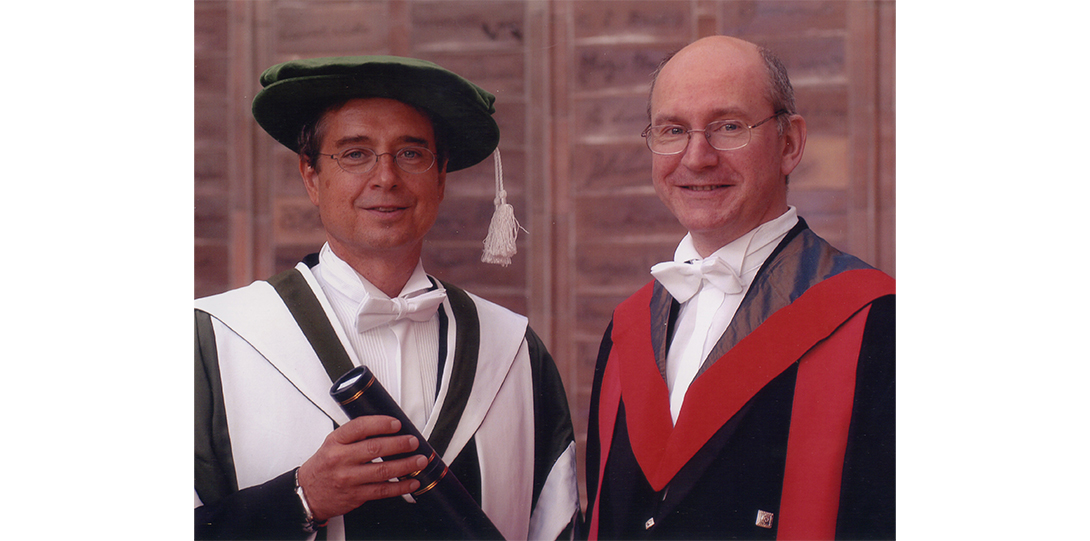
- Honorary doctorate, University of the Sciences, Philadelphia, 2004
- University Scholar, University of Illinois at Chicago, 2004
- Honorary doctorate, Queen Margaret University, Scotland, 2003
- Honorary doctorate, University of Linköping, Sweden, 1999
- Fellow, Japanese Society for the Promotion of Science, 1991
- A. Jean Ayres Award, American Occupational Therapy Foundation, 1988
- Charter Member, Academy of Research, American Occupational Therapy Foundation,1984
- Fellow of the American Occupational Therapy Association, 1983