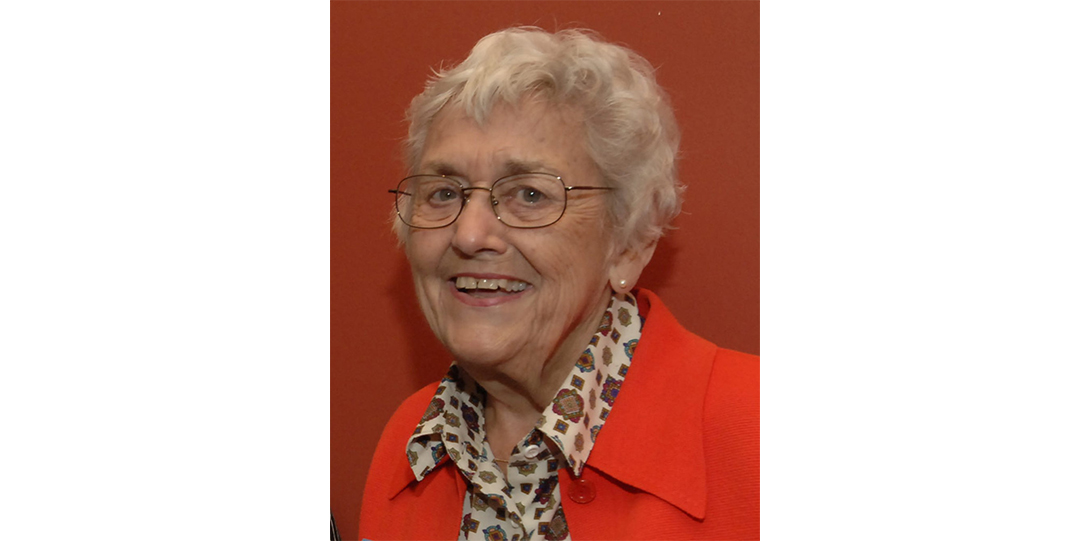
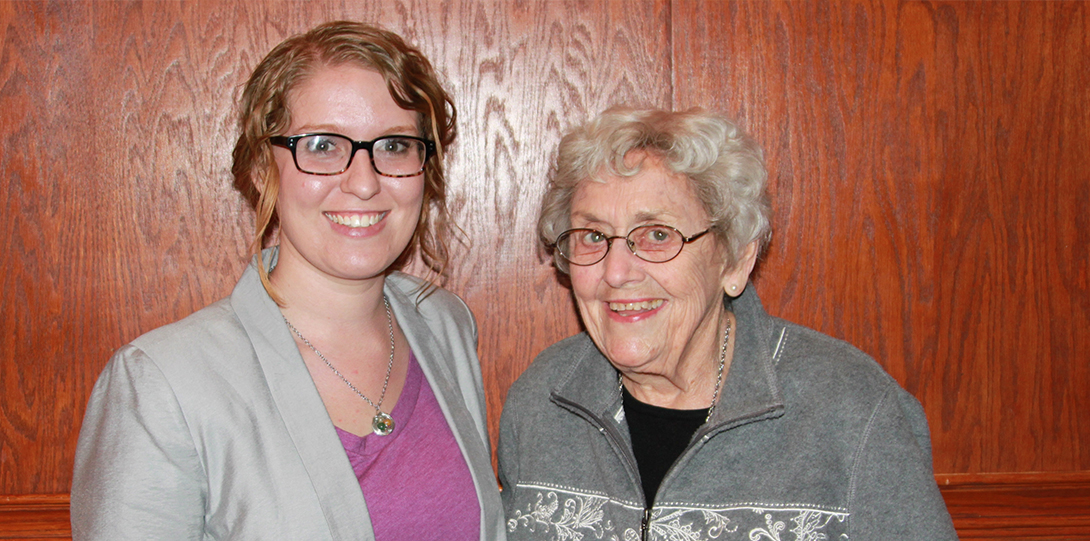
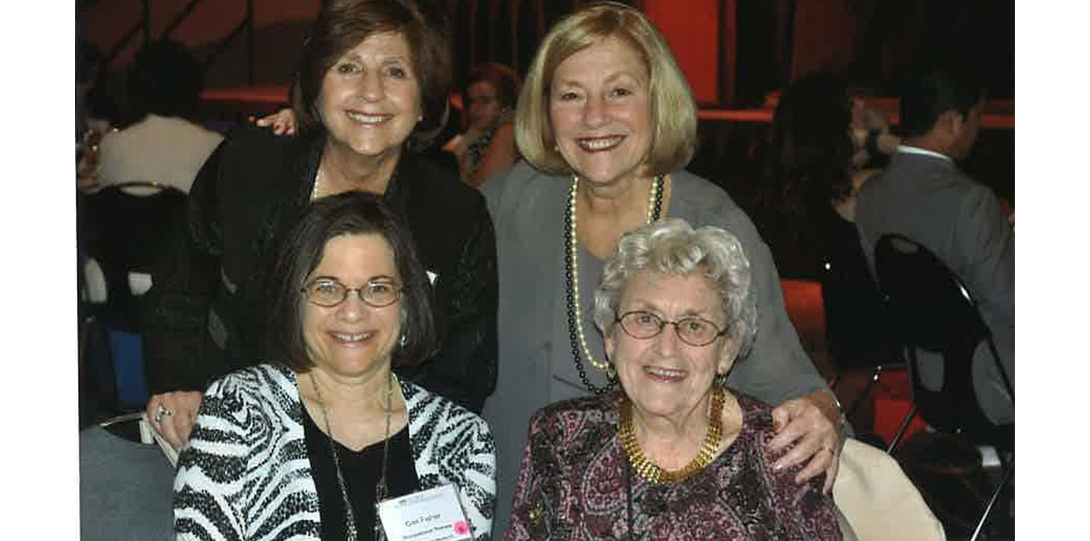
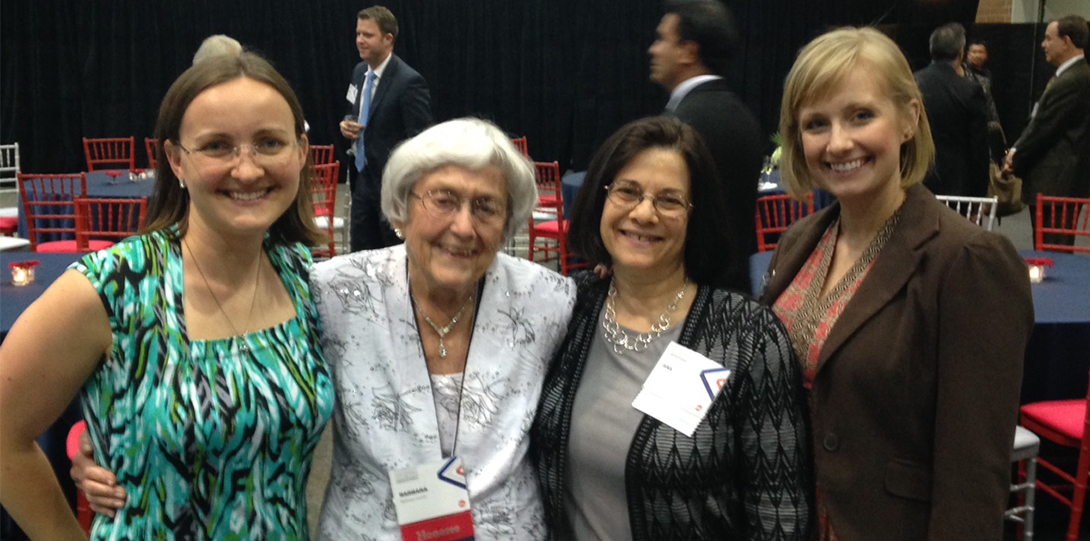
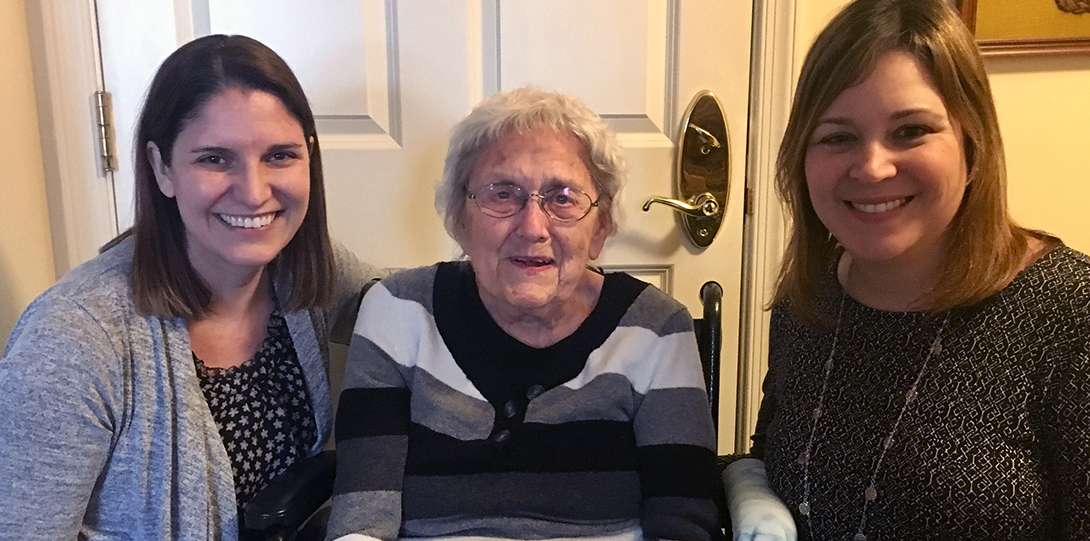
Barbara Loomis
Director of the Curriculum, 1971-81
An influential educator and leader, Barbara Loomis expanded access to occupational therapy education and helped shape the institutional evolution of allied health programs at the University of Illinois.
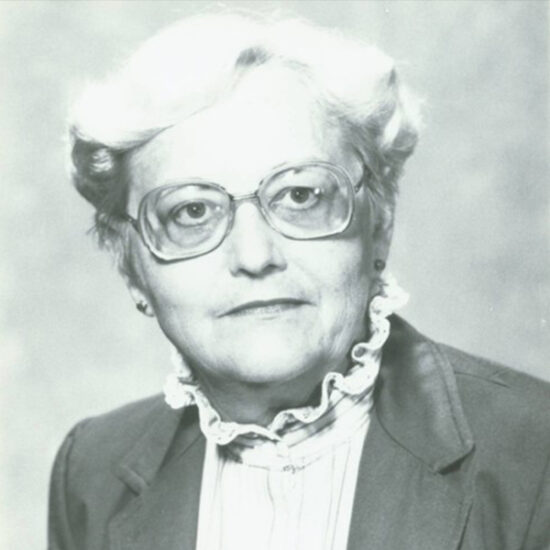
Once people know what our profession is, they recognize its worth. There’s no doubt about it. I think my own life is enriched, just because I’ve practiced as an OT and I’ve taught it. And I believe in it. I think that for OTs, basically, it’s a way of life.
Early life and education
Early life and education
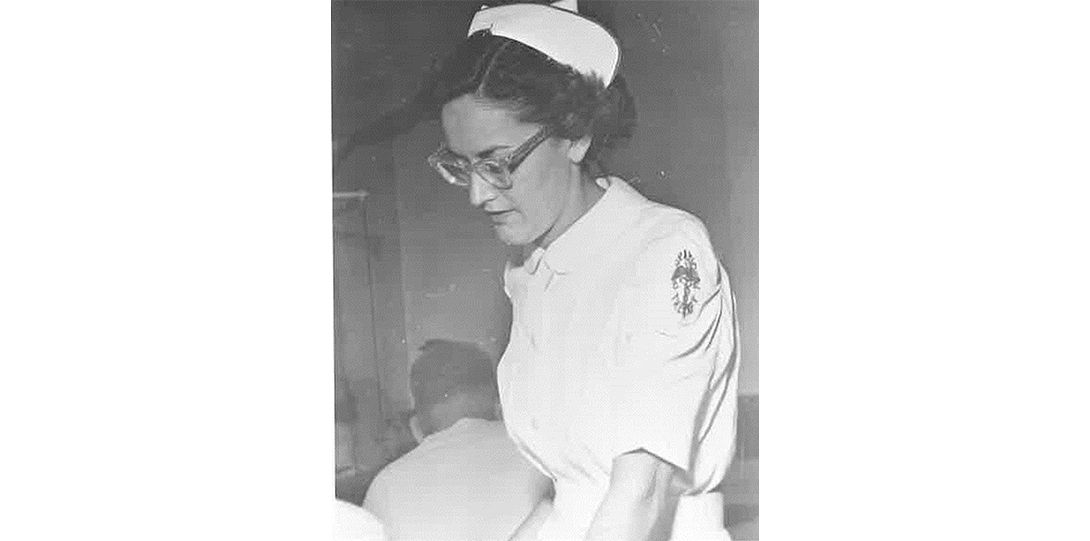
Barbara Loomis discovered occupational therapy in 1940 during a high school visit to Milwaukee-Downer College, where a studio filled with looms and pottery wheels first sparked her interest in the field.
She earned a Bachelor of Science in occupational therapy in 1946 and began her career in Detroit, providing home health services supported by the National Foundation for Infantile Paralysis. She later spent five years at Hines Veterans Administration Hospital, gaining experience across clinical areas including tuberculosis care and neurology.
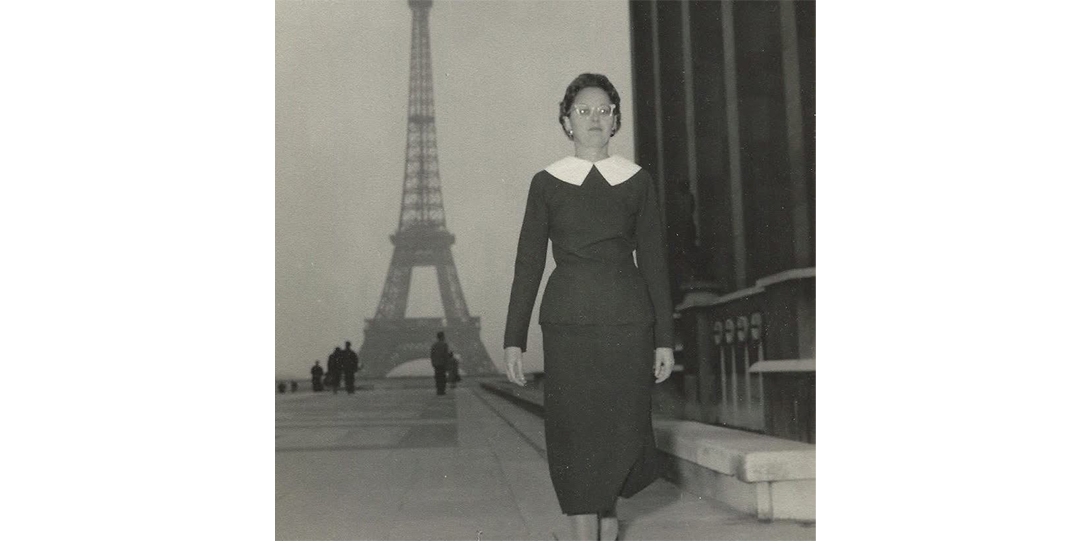
In 1955, Loomis received a Fulbright Fellowship to Paris, where she was tasked with establishing France’s first occupational therapy school. Despite language barriers and limited resources, she developed the program within a month and trained its first students.
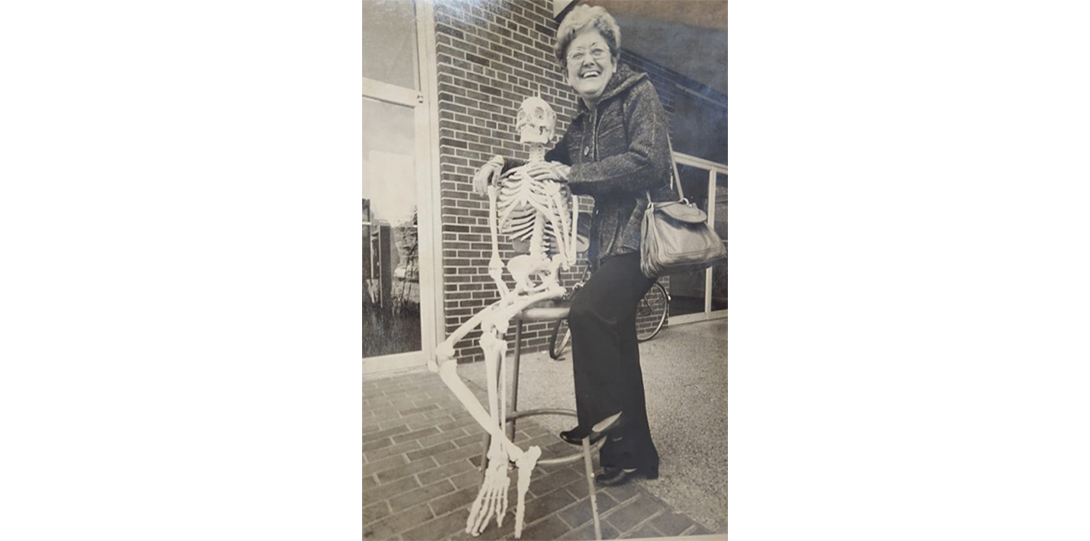
After returning to Chicago, Loomis served as supervisor of the outpatient neurology unit at the University of Illinois Hospital. She earned a master’s degree in human development from the University of Chicago in 1963 and joined the University of Illinois faculty in 1964 as an assistant professor and curriculum coordinator.
Leadership at UIC
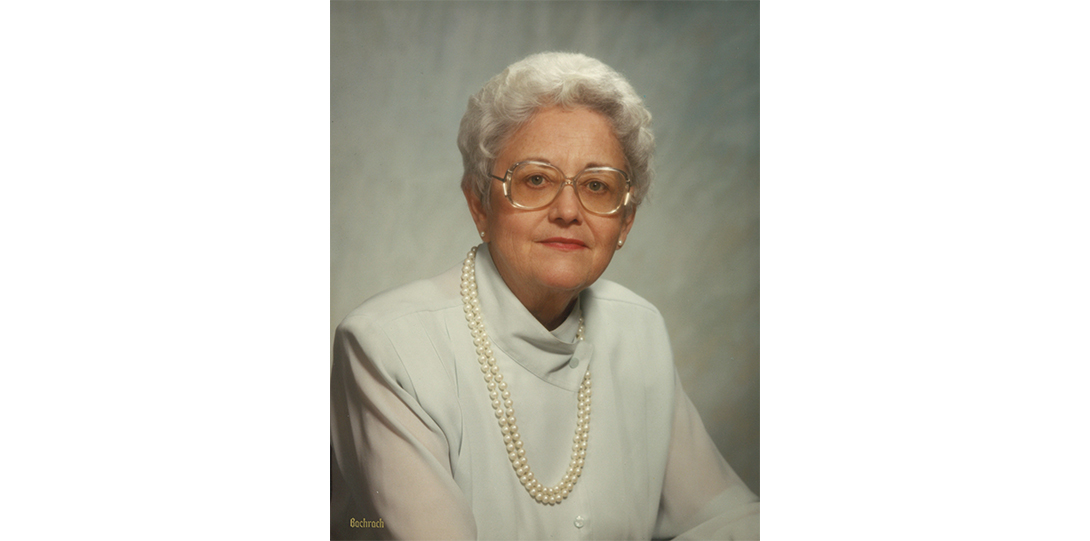
Loomis served as director of the occupational therapy curriculum from 1971 to 1981, succeeding founder Beatrice D. Wade. Her leadership marked a period of growth, innovation, and institutional change.
She expanded the program’s reach by:
- Doubling student enrollment from 25 to 50
- Launching a “2+2” Bachelor of Science program in 1979, allowing students to complete preprofessional coursework at other institutions
- Securing federal funding to establish a satellite program at the Urbana campus
These efforts broadened access to occupational therapy education and helped address workforce shortages across Illinois.
Advancing allied health education
As acting dean of the School of Associated Medical Sciences from 1977 to 1978, Loomis played a central role in a major institutional transition. She led efforts to move occupational therapy and other allied health programs out of the College of Medicine and into a newly established, freestanding college.
This transition resulted in the creation of the University of Illinois College of Associated Health Professions (now the UIC College of Applied Health Sciences). Despite differing opinions among faculty, Loomis advocated for independence to support future growth, including new degree programs, training grants and expanded funding opportunities.
Her leadership helped position allied health disciplines for long-term academic and professional advancement.
Contributions to the profession
Loomis made lasting contributions to occupational therapy education, regulation and historical preservation.
Her impact includes:
- Helping establish the Illinois Occupational Therapy Association archives at the UIC Health Sciences Library
- Serving for 12 years on the American Occupational Therapy Association Accreditation Committee
- Contributing to the development of licensure as a member and vice chair of Illinois’ first occupational therapy licensure board
- Consulting on the development of occupational therapy and occupational therapy assistant programs, including at Chicago State University
Through her work, Loomis strengthened educational standards, professional governance and the visibility of the field.
Scholarship and legacy
Loomis’s commitment to education continues through the Barbara Loomis Scholarship at the University of Illinois Chicago, established to support students pursuing careers as academic or clinical educators.
Colleagues and former students remember her for her dedication to teaching, her intellectual curiosity and her belief in occupational therapy as both a profession and a way of life.
Leadership and accomplishments
Professional Leadership
- Member, American Occupational Therapy Association Accreditation Committee (1981–93)
- Illinois representative to the AOTA Representative Assembly (1968–71)
- Member, Illinois Occupational Therapy Association Executive Board (12 years)
National and International Impact
- Established France’s first occupational therapy school through a Fulbright Fellowship
- Advanced program development and clinical innovation in U.S. occupational therapy settings
Research and Publications
Kirchman, M., and Loomis, B. (1980). “A longitudinal study assessing the quality of occupational therapy,” American Journal of Occupational Therapy, 34, 582–586
Honors and Awards
- Fulbright Fellowship recipient (1955)
- Fellow, American Occupational Therapy Association (1974)
- Public health education award, Heart Association of West Cook County